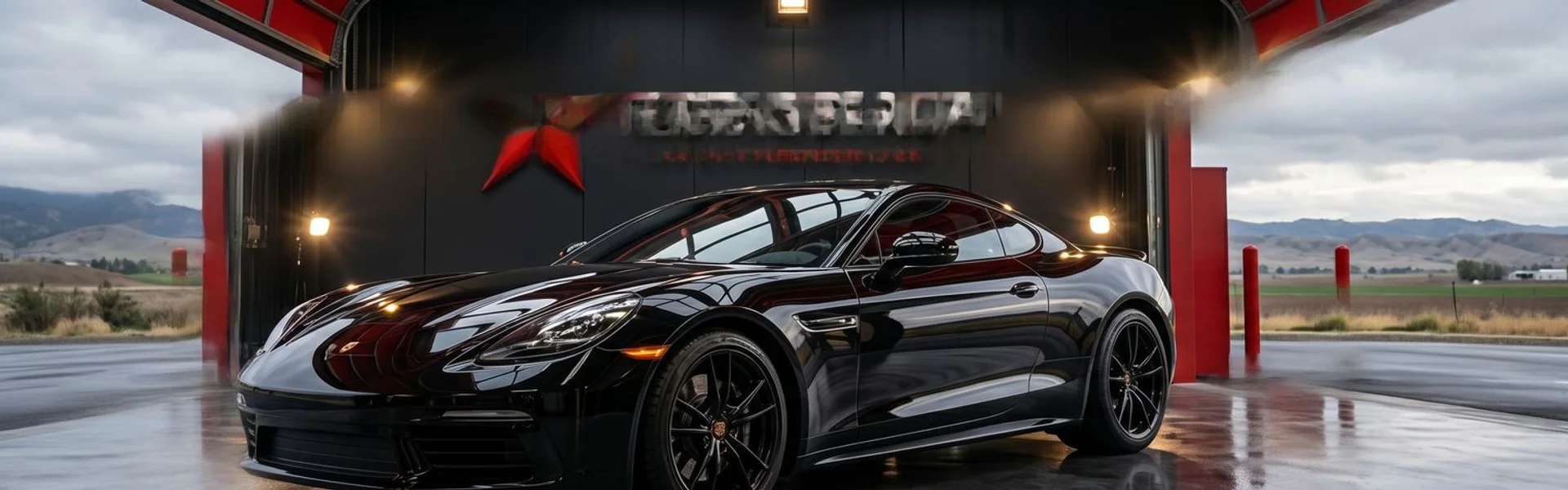
We often see local drivers assume a quick hose-off removes winter road slush. The reality is much more complicated for local vehicles.
To understand the magnesium chloride car damage Idaho drivers face, you must look at the chemicals used on our highways.
Fact: The state transportation department relies heavily on a liquid brine instead of traditional rock salt because it melts ice rapidly at much lower temperatures.
We know exactly how easily this compound sneaks into tight spaces and accelerates rust. Let us examine the data behind this issue and outline practical ways to protect your property.
Why mag chloride is worse for vehicles
We see the results of this constant moisture every spring. This liquid brine causes severe corrosion because it activates with very little moisture. Traditional rock salt requires about 70 percent humidity to dissolve, but magnesium chloride becomes a liquid at just 20 to 30 percent humidity.
Your car effectively stays wet with an acidic coating long after the snow melts. A recent American Automobile Association report found that rust damage from de-icing methods costs United States drivers roughly $3 billion annually.
Untreated cars in our region often suffer from premature degradation of both metal and rubber. The chemical attacks everything from exposed electrical wires to rubber windshield wipers. We recommend understanding exactly how this brine attacks your vehicle.
- Deep Liquid Penetration: The brine easily flows into panel seams and suspension joints that solid salt crystals simply cannot reach.
- Constant Moisture: Because it is highly hygroscopic, the residue continually pulls moisture from the air to keep the corrosion cycle active.
- Material Specific Damage: It aggressively attacks raw aluminum components, ruining wheels, trim pieces, and structural undercarriage parts.
- Clear Coat Bonding: The sticky residue bonds tightly to your paint, meaning a basic water rinse will not wash it away.
Pre-winter prep
We consider October the ideal time to establish a solid line of defense against chemical damage. Proper preparation blocks the brine from making direct contact with your factory clear coat. Delaying this process until November often means fighting against freezing temperatures and long service wait times.
You should prioritize a full premium detail that includes a durable sealant. Technicians must perform a deep clean of the wheel barrels and apply a dedicated protectant to stop aluminum pitting. Flushing the door jambs and undercarriage removes accumulated summer grime so the new protectant bonds correctly.
Our team strongly advises upgrading your protection strategy if you drive daily. Applying a professional ceramic coating before winter makes your mid-season maintenance washes much faster. Let us compare a basic winter preparation approach against a premium coating strategy:
| Feature | Basic Sealant Prep | Premium Ceramic Prep |
|---|---|---|
| Protection Duration | 3 to 4 months | Up to 5 years |
| Chemical Resistance | Moderate | Extremely High |
| Maintenance Washing | Requires scrubbing | Debris rinses away easily |
| Undercarriage Focus | Standard rinse | Deep cleaning and chemical neutralizer |
Mid-winter
We mandate washing your vehicle within 48 hours of any direct exposure to highway brine. Fast action is the only way to stop the magnesium chloride from etching into your wheels and clear coat. Letting the slush sit allows the chemical to penetrate deep into your suspension components.
Simple water often reactivates the dried salt compounds instead of washing them away completely. Our technicians suggest using a dedicated chloride neutralizer product like Salt-Away during these washes. A neutralizing foam breaks the chemical bond so the residue safely slides off the panels.
Pro Tip: Never use hot water to rinse a frozen, salt-covered car. The drastic temperature change can crack your glass, and hot water actually accelerates the chemical corrosion rate of magnesium chloride on bare metal.
We want to emphasize the importance of cleaning the hidden areas of your car. Wheel barrels and undercarriage shields collect the heaviest concentration of liquid deicers.
You should always opt for a touchless wash facility if hand-washing temperatures drop too low. Automated friction brushes trap sand from the roads and will heavily scratch your paint.
Post-winter (March)
We schedule full exterior deep cleans in March to catch any hidden chemical damage. Rising spring temperatures dramatically accelerate the corrosion rate of any leftover salt residue. Removing this buildup immediately stops the oxidation process in its tracks.
Magnesium chloride residue hides securely under layers of normal road grime. The chemical will continue to eat through your paint all summer if it is not fully neutralized and extracted. Professional extraction methods lift the salt from deep within panel gaps.
We include a thorough inspection during this visit to evaluate specific damage zones:
- Clear Coat Integrity: Checking for etching or cloudiness caused by acidic brine sitting on the paint.
- Suspension Components: Looking for surface rust on exposed raw metal and aluminum parts.
- Plastic and Rubber Trim: Assessing wiper blades and seals for premature drying or cracking.
Our staff strongly encourages you to secure a spot on the calendar early. Reach out to schedule your recovery detail so technicians can evaluate your car. Proactive maintenance saves you from expensive repainting costs down the road.